Architecture Blog

Architect Today Interview |
Cesare Ricchetti: The Overlooked Sustainable Materials and Why Recycled Aluminum Signals Ethical Luxury
In this exclusive
Architect Today interview
, renowned architect
Cesare Ricchetti
explores the transformative power of
sustainable materials
in contemporary design. Shifting the focus toward eco-conscious innovation, Ricchetti explains how
recycled aluminum
is redefining the concept of
ethical luxury
in architecture. From overlooked building solutions to the future of circular design, this conversation offers essential insights for those interested in high-end, sustainable architecture. Read the full interview below.

Recycled Aluminum Signals Ethical Luxury
"In the architecture of the future, sustainability will not be an 'option'—it will be the most prestigious hallmark of a building's character."
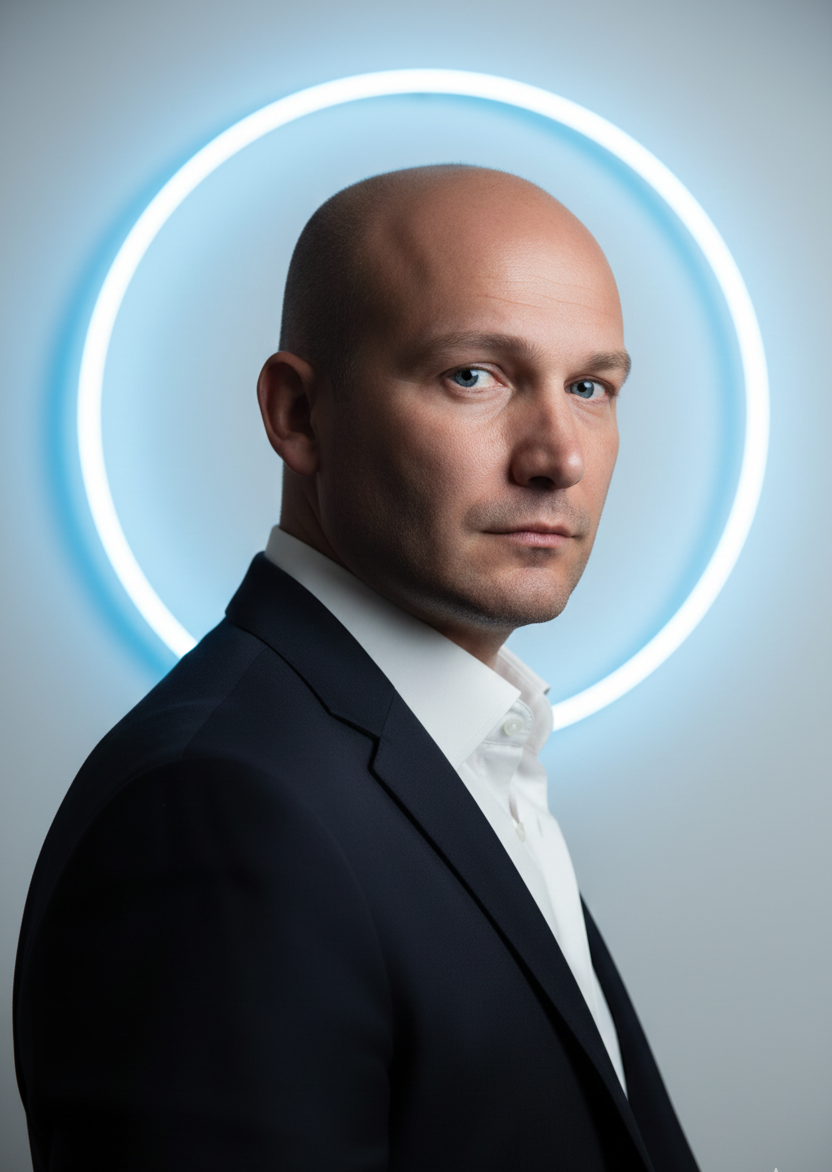
We often mistake sustainability for a quest for "new" materials, yet the solution frequently lies in transforming the essence of the materials we already trust. For me, this is the process of turning recycled aluminum into a form of architectural art.
While many view aluminum merely as an industrial standard, we center our designs around 95% recycled, low-carbon aluminum, which requires significantly less energy than primary production. The true magic, however, lies in its infinite circularity: its ability to be reborn time and again without ever losing its mechanical integrity makes it a living component of architecture.
We fortify this metallic skeleton with eco-friendly thermal breaks, such as fiberglass-reinforced polyamide, and finish it with solvent-free, zero-VOC powder coatings. The result is not just an aesthetic window frame; it is a silent revolution that minimizes environmental impact while delivering peak energy efficiency.
Initially, clients were somewhat hesitant about the term "recycled," questioning whether there would be a compromise in performance. However, once we presented the EPD (Environmental Product Declaration) certifications and demonstrated the flawless visual quality, the sense of luxury that comes from making an ethical choice outweighed any doubt. Today, they no longer see sustainability as an "add-on," but demand it as a core defining feature of their projects.
You can visit the Architect Today website to read Cesare Ricchetti's full interview and the views of other international architects on the subject.
Read the full article in Architect TodayArchitect Today Interview:
Cesare Ricchetti and ‘Behaviour-Designing’ Architecture
Architect Today, one of the world's most respected architecture platforms, has prepared a special feature entitled ‘Designing Behaviour,’ which examines
the profound impact of architecture on human behaviour and social interactions.
Our founder, Cesare Ricchetti, featured in this prestigious selection, sharing
RC Projet's human-centred design philosophy that creates ‘spatial refuges’
through our Onomo Hotel Kigali project in Rwanda.
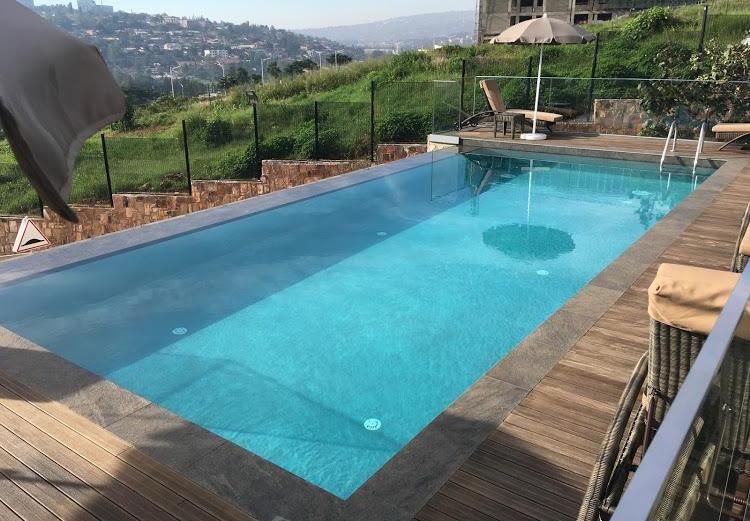
The infinity pool and terrace area overlooking Kigali, featured in Architect Today magazine as an example of ‘designing behaviour’ Onomo Hotel
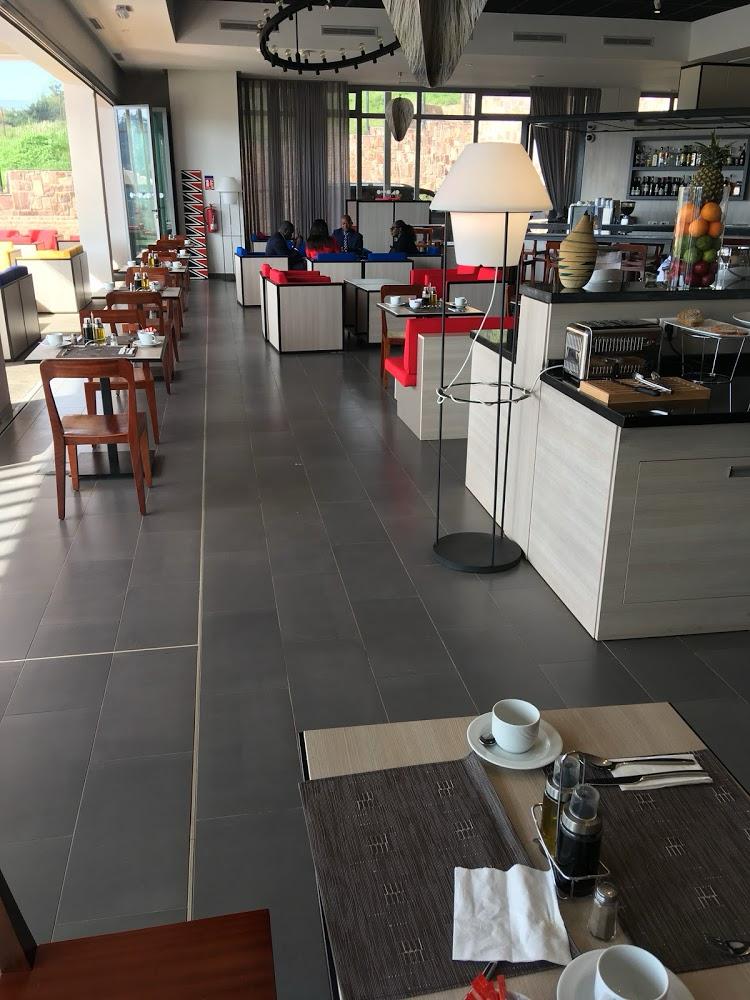
The interior view of the 19-metre folding glass façade mentioned in the interview, which removes the boundary between the interior and the panoramic terrace.
The catalyst for this behavioral shift was a 19-meter expanse of aluminum folding glass.
By implementing this monumental, permeable boundary, we effectively dissolved the threshold between the interior dining volume and the infinity pool's edge. This was not merely a technical choice; it was a psychological one. This provides guests with a breathtaking city view and that “wow” effect that makes them happy. For example, many guests choose this hotel despite its location slightly outside the city centre, purely for the breathtaking view it offers. The architecture has transformed a transit point into a destination.
Cesare Ricchetti, Architect & Founder of RC Projet
You can visit the Architect Today website to read Cesare Ricchetti's full interview and the views of other international architects on the subject.
Read the full article in Architect Today